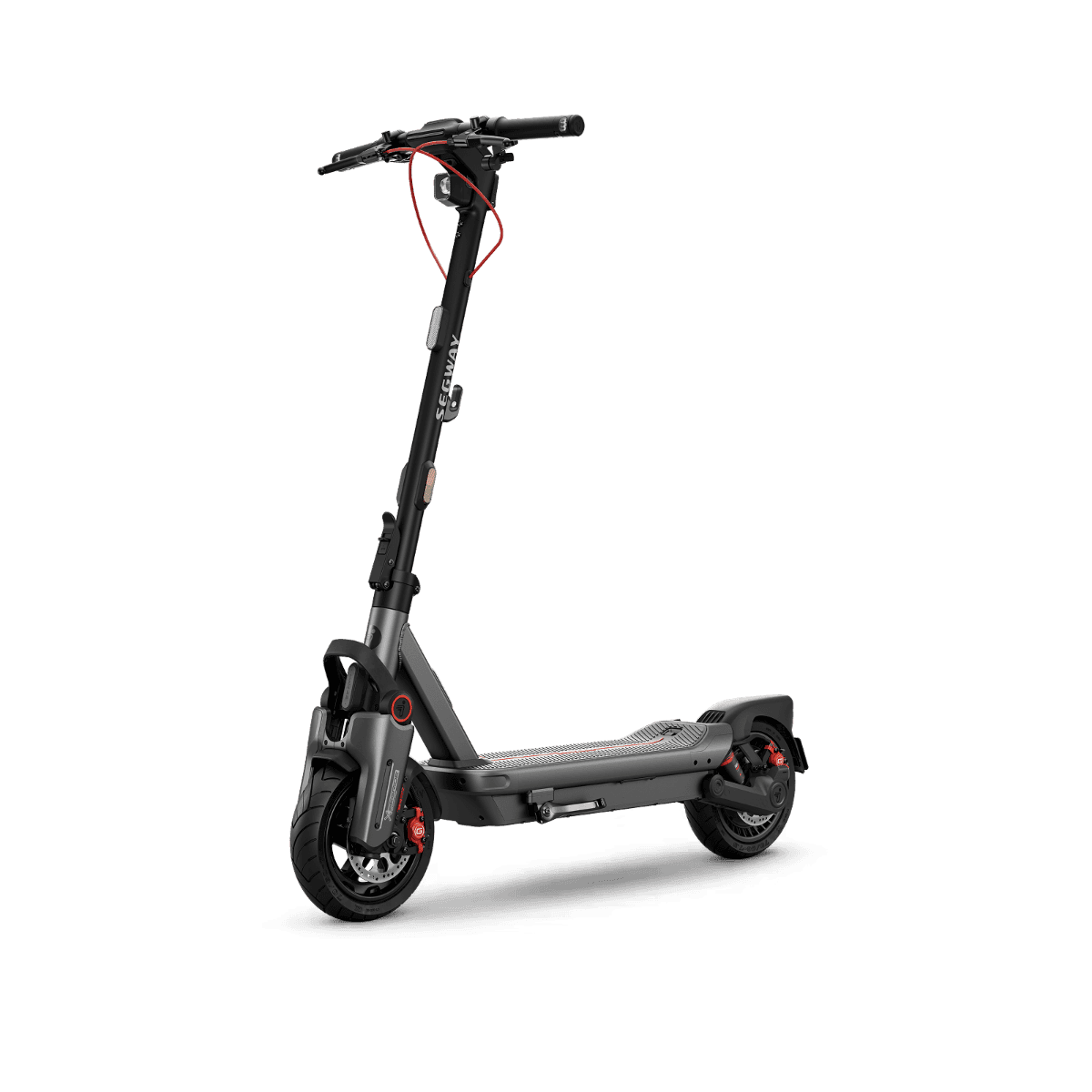
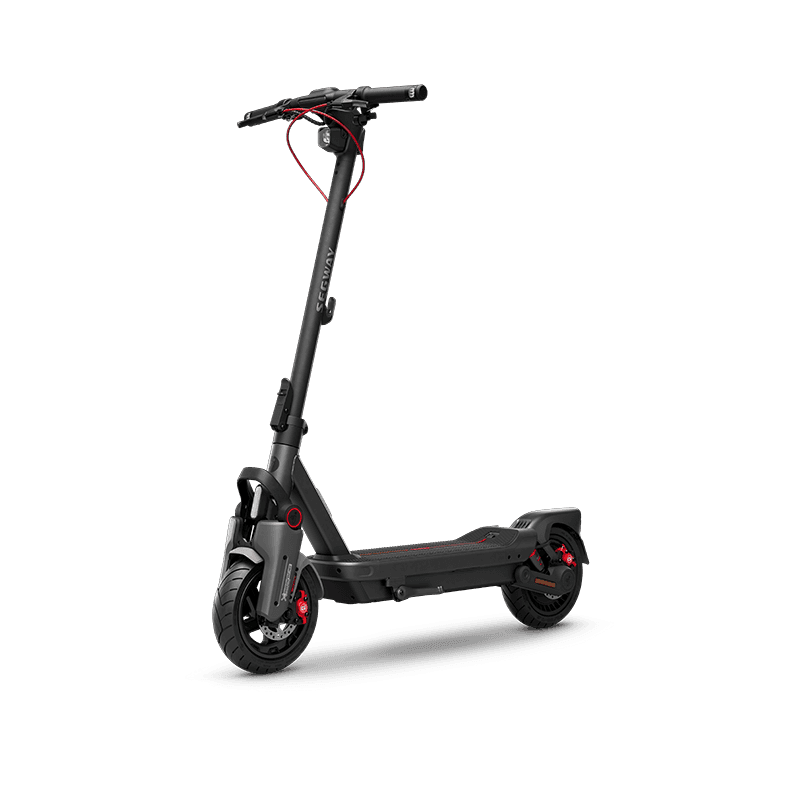
The measured numbers, and why they mislead
| MAX G3 Plus | MAX G3 | |
|---|---|---|
| Claimed range | 56 mi (quoted at 10 mph) | 50 mi (quoted at 10 mph) |
| Segway's own at-speed figure | none published | 25 mi in Sport+ |
| Measured range | 21.2 mi (Electric Scooter Guide) | 24.9 mi (ERideHero) |
| Battery | 717 Wh | 597 Wh |
| Motor | 2,200W peak | 850W rated / 2,000W peak |
| Claimed top speed | 28 mph | 28 mph |
| Weight | approx. 56 lb | approx. 54.2 lb |
Do not read that 21.2 against the 24.9 as a like-for-like result. The Plus figure comes from a deliberate maximum-performance run: roughly a 200 lb rider in Sport mode over hills with starts and stops, with about 18 of the 21.2 miles ridden at high speed. The standard G3's 24.9 came from a different outlet on a gentler protocol. A scooter with 120Wh more battery and a stronger motor does not travel less far on the same ride; it travelled less far on a harder one.
What the two figures do establish is the honest planning range for this family: somewhere in the low-to-mid twenties, whichever one you buy, against headline claims of 50 and 56.
The number Segway did not publish for the Plus
Segway publishes a “Range at Max. Speed” figure for both the MAX G3 (25 miles in Sport+) and the older MAX G2 (25 miles at 22 mph). Those figures are accurate: independent measurements land on them. For the MAX G3 Plus, Segway publishes a 56-mile headline at 10 mph and no at-speed figure at all. It is also the model with the widest measured gap of the three. That absence is worth noticing, and the pattern is documented in claimed vs measured range.
In Segway's defence, it states that the Plus is the first of its scooters to use a revised range methodology, which stops measuring once the scooter can no longer hold 60% of the selected mode's top speed rather than running the pack flat. That is a stricter protocol than the industry norm, and the claim is still 2.6 times the measured figure.
What the Plus genuinely adds
- 717Wh against 597Wh. Real extra energy, worth roughly 20% more distance at any given speed, all else equal.
- 2,200W peak motor and better sustained performance under load.
- 140 mm ventilated disc brakes, which Segway rates at a 15% shorter stopping distance than the MAX G3. On a 56 lb scooter doing 28 mph this is the upgrade that matters most.
- Dedicated rear turn signals and front and rear hydraulic suspension.
- Measured behaviour under a low battery is good: still 25 to 26 mph at 21% charge, which is better voltage-sag performance than most commuter scooters manage.
Which to buy
- Buy the MAX G3 Plus for the brakes and the battery, if you ride fast, ride loaded, or ride hills. The braking improvement alone justifies it at 28 mph.
- Buy the standard MAX G3 if the commute is comfortably inside 20 miles and the price gap is real at your retailer. It is lighter, cheaper, and its measured range is not the weakness the headline numbers imply.
- Look at the MAX G2 before dismissing it. It was measured at 26.6 and 29.8 miles by two outlets — further than either newer model on record — at a lower price and 22 mph.
Whichever you choose, plan around low-to-mid twenties of real range, not the number on the box.
Frequently asked questions
What is the difference between the Segway MAX G3 and the MAX G3 Plus?
The Plus adds a 717Wh battery in place of 597Wh, a 2,200W peak motor, 140 mm ventilated disc brakes that Segway rates at 15% shorter stopping distance, dedicated rear turn signals and front and rear hydraulic suspension. Both claim 28 mph. The Plus weighs about 2 lb more.
Does the MAX G3 Plus really go 56 miles?
No. Segway's 56-mile figure is quoted at 10 mph. Electric Scooter Guide measured 21.2 miles with a roughly 200 lb rider in Sport mode over hills, with about 18 of those miles at high speed. Plan for the low-to-mid twenties.
Is the MAX G3 Plus worth the upgrade over the MAX G3?
For braking and sustained power under load, yes. For range, the honest answer is that no like-for-like measurement of the two exists, and both realistically deliver low-to-mid twenties of miles at speed. Buy the Plus for the hardware, not the 56-mile claim.
Every Segway tier ranked on measured range: the Segway Ninebot lineup compared.
Where the measured figures come from
Electric Scooter Guides does not run instrumented range or speed tests. Every measured figure quoted above belongs to the independent outlet named beside it: ERideHero, RiderGuide and Electric Scooter Guide (a separate publication). The full row-by-row record, with a live link on every figure, is in the measured specification index.
Manufacturer figures are labelled as claims throughout, because across 37 measured runs covering 34 models scooters delivered an average of 64% of claimed range. The mechanism is set out in why range claims are wrong.